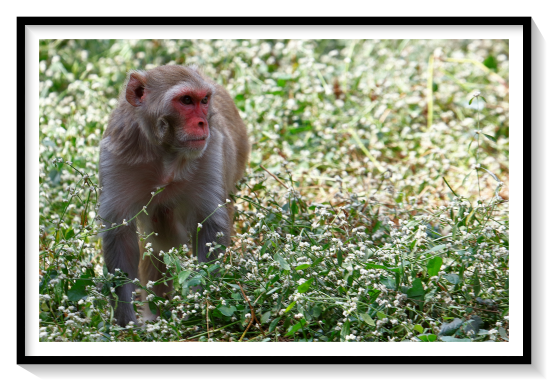
some forest-dwelling species are endangered with much lower reproductive rates.
Showing all 4 results
-

Indian Rufus Monkey
Price range: $150.0 through $350.0 Select options This product has multiple variants. The options may be chosen on the product page -
Indo Chniese Rufus Monkey
Price range: $150.0 through $250.0 Select options This product has multiple variants. The options may be chosen on the product page -
Indo Shrilankan Monkey
Price range: $150.0 through $250.0 Select options This product has multiple variants. The options may be chosen on the product page -
Macaque Great Monkey
Price range: $225.0 through $375.0 Select options This product has multiple variants. The options may be chosen on the product page

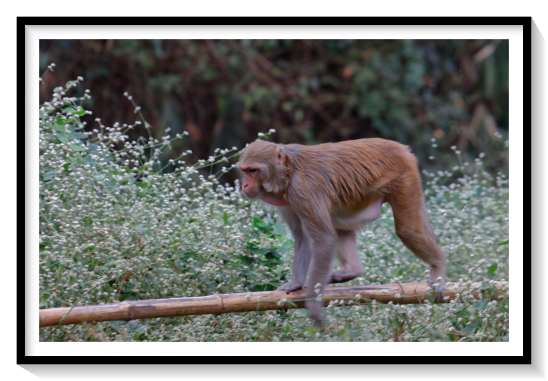
![Indo Shrilankan MonkeyMacaques are highly adaptable to different habitats and climates and can tolerate a wide fluctuation of temperatures and live in varying landscape settings. They easily adapt to human-built environments and can survive well in urban settings if they are able to obtain food. They can also survive in completely natural settings absent of humans. The ecological and geographic ranges of the macaque are the widest of any non-human primate. Their habitats include the tropical rainforests of Southeast Asia, Sri Lanka, India, arid mountains of Pakistan and Afghanistan, and temperate mountains in Algeria, Japan, China, Morocco, and Nepal. Some species also inhabit villages and towns in cities in Asia.[9] There is also an introduced population of rhesus macaques in the US state of Florida consisting, essentially, of monkeys abandoned when a failed boat ride-safari was shut down in the mid-20th century. A probable Early Pliocene macaque molar from the Red Crag Formation (Waldringfield, United Kingdom), represents one of the oldest and northernmost records of the genus in Europe reported to dateMacaques are mainly frugivorous, although some species have been observed feeding on insects. In natural habitats, they have been observed to consume certain parts of over one hundred species of plants including the buds, fruit, young leaves, bark, roots, and flowers. When macaques live amongst people, they raid agricultural crops such as wheat, rice, or sugarcane; and garden crops like tomatoes, bananas, melons, mangos, or papayasMacaques live in established social groups that can range from a few individuals to several hundred, as they are social animals. A typical social group possess between 20 and 50 individuals of all ages and of both sexes. The typical composition consists of 15% adult males, 35% adult females, 20% infants, and 30% juveniles, though there exists variation in structure and size of groups across populations](https://www.sunsignnaturewildlife.com/wp-content/uploads/2025/01/Indo-Shrilankan-Monkey.webp)