Sagittarius
Showing 17–32 of 41 results
-

INDIAN SPARROW
Price range: $5.0 through $40.0 Select options This product has multiple variants. The options may be chosen on the product page -

Indo Chniese Rufus Monkey
Price range: $150.0 through $250.0 Select options This product has multiple variants. The options may be chosen on the product page -
Indo Macque monkey
Price range: $150.0 through $350.0 Select options This product has multiple variants. The options may be chosen on the product page -
Indo Shrilankan Monkey
Price range: $150.0 through $250.0 Select options This product has multiple variants. The options may be chosen on the product page -
![Javan Rusa DeerThe Javan rusa is dark blackish brown and has a gray forehead. Its back is almost black, the underparts and inner thighs are yellowish brown. The abdomen is lighter brown, and the tail tuft is dark blackish brown. The hair is coarse and longer on the chest than on the remaining body. Its ears are wide and a little shorter than the head. The antlers are medium long and rather wide, the upper branch points forward.[3] Fawns are born without spots. Males are bigger than females; head-to-body length varies from 142 to 185 cm (4 ft 8 in to 6 ft 1 in), with a 20 cm (7.9 in) tail. Males weigh 152–160 kg (335–353 lb), female about 74 kg (163 lb)The Javan rusa natively occurs on the islands of Java, Bali and Timor in Indonesia. It has been introduced to Irian Jaya, Borneo, the Lesser Sunda Islands, Maluku, Sulawesi, Pohnpei, Mauritius, Réunion, Fiji, Tonga, Samoa, Vanuatu, the Solomon Islands, the Christmas Island, the Cocos Islands, Nauru, Mainland Australia, New Caledonia, New Zealand, Papua New Guinea, New Britain, and New Ireland.[2][5] The Javan rusa was introduced by the Dutch to New Guinea in the early 1900sSince its introduction to the West Papuan lowlands, the species has become widely dispersed and is common in much of its new range. However its population in its native range has declined markedly by approximately 10,000 individuals in the past two decades and likely faces further decline. As a result it has been listed as vulnerable in its native range and was declared as a protected species under Indonesian law in 2018](data:image/svg+xml;base64,PHN2ZyB4bWxucz0iaHR0cDovL3d3dy53My5vcmcvMjAwMC9zdmciIHdpZHRoPSI1NTIiIGhlaWdodD0iNDEzIiB2aWV3Qm94PSIwIDAgNTUyIDQxMyI+PHJlY3Qgd2lkdGg9IjEwMCUiIGhlaWdodD0iMTAwJSIgc3R5bGU9ImZpbGw6I2NmZDRkYjtmaWxsLW9wYWNpdHk6IDAuMTsiLz48L3N2Zz4=)
Javan Rusa Deer
Price range: $175.0 through $350.0 Select options This product has multiple variants. The options may be chosen on the product page -
Javar Sambar Deer
Price range: $150.0 through $350.0 Select options This product has multiple variants. The options may be chosen on the product page -

khaki Campbell duck
Price range: $275.0 through $375.0 Select options This product has multiple variants. The options may be chosen on the product page -

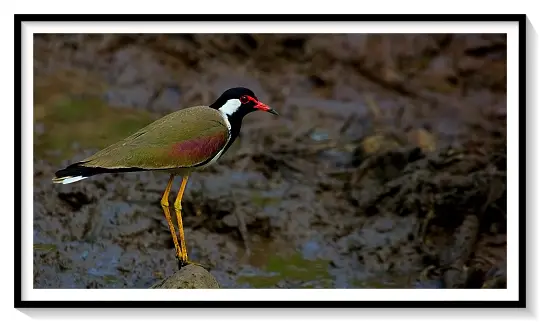
LAPWING
Price range: $5.0 through $40.0 Select options This product has multiple variants. The options may be chosen on the product page -

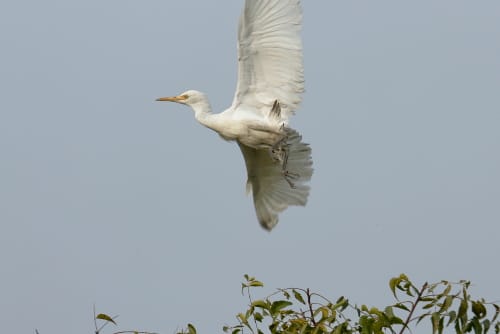
Little Egret Bird
Price range: $200.0 through $275.0 Select options This product has multiple variants. The options may be chosen on the product page -

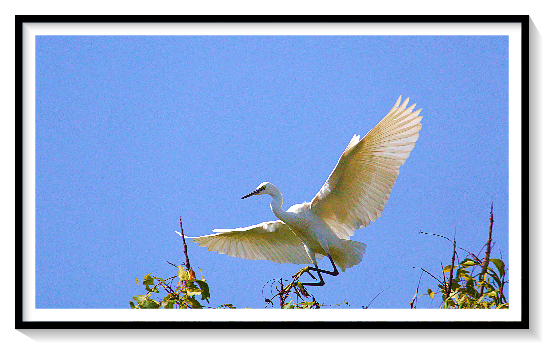
LITTLE EGRET BIRD
Price range: $15.0 through $55.0 Select options This product has multiple variants. The options may be chosen on the product page -
Myna Bird
Price range: $200.0 through $275.0 Select options This product has multiple variants. The options may be chosen on the product page -
NATURE IN WILD
Price range: $75.0 through $200.0 Select options This product has multiple variants. The options may be chosen on the product page -
ORANGE FINCH
Price range: $10.0 through $40.0 Select options This product has multiple variants. The options may be chosen on the product page -

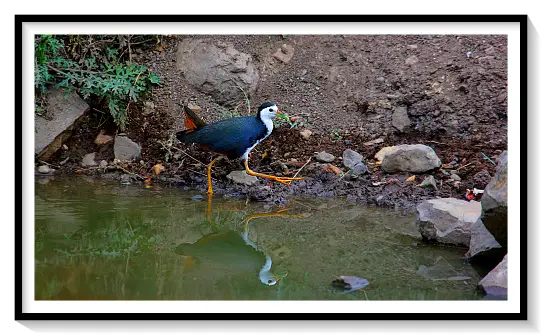
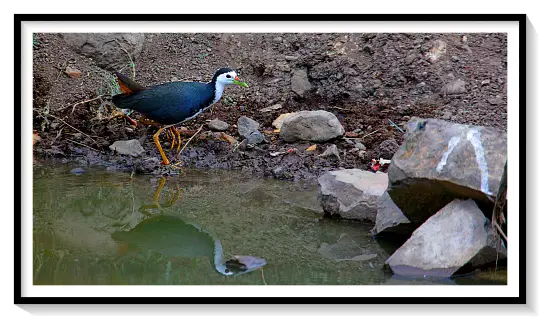
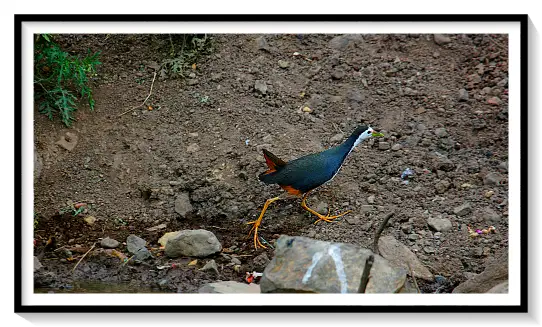
WATER HEN
Price range: $5.0 through $40.0 Select options This product has multiple variants. The options may be chosen on the product page -

WATER HEN
Price range: $5.0 through $40.0 Select options This product has multiple variants. The options may be chosen on the product page -

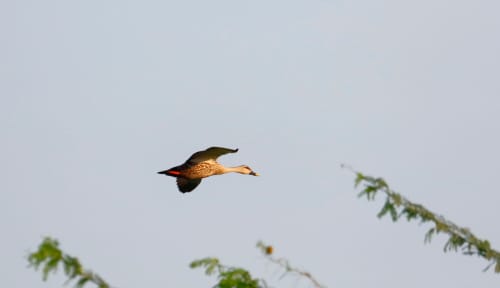
WATER HEN
Price range: $5.0 through $40.0 Select options This product has multiple variants. The options may be chosen on the product page

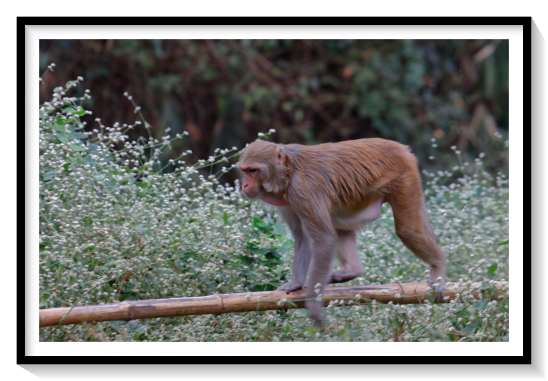
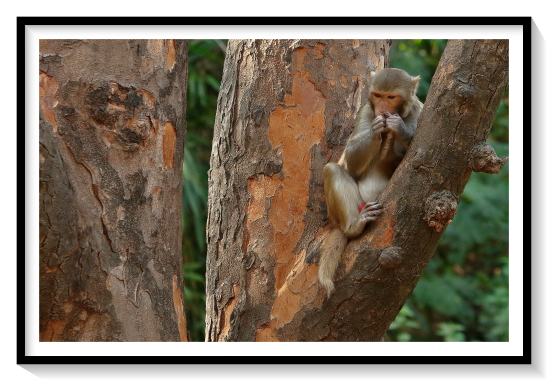
![Indo Shrilankan MonkeyMacaques are highly adaptable to different habitats and climates and can tolerate a wide fluctuation of temperatures and live in varying landscape settings. They easily adapt to human-built environments and can survive well in urban settings if they are able to obtain food. They can also survive in completely natural settings absent of humans. The ecological and geographic ranges of the macaque are the widest of any non-human primate. Their habitats include the tropical rainforests of Southeast Asia, Sri Lanka, India, arid mountains of Pakistan and Afghanistan, and temperate mountains in Algeria, Japan, China, Morocco, and Nepal. Some species also inhabit villages and towns in cities in Asia.[9] There is also an introduced population of rhesus macaques in the US state of Florida consisting, essentially, of monkeys abandoned when a failed boat ride-safari was shut down in the mid-20th century. A probable Early Pliocene macaque molar from the Red Crag Formation (Waldringfield, United Kingdom), represents one of the oldest and northernmost records of the genus in Europe reported to dateMacaques are mainly frugivorous, although some species have been observed feeding on insects. In natural habitats, they have been observed to consume certain parts of over one hundred species of plants including the buds, fruit, young leaves, bark, roots, and flowers. When macaques live amongst people, they raid agricultural crops such as wheat, rice, or sugarcane; and garden crops like tomatoes, bananas, melons, mangos, or papayasMacaques live in established social groups that can range from a few individuals to several hundred, as they are social animals. A typical social group possess between 20 and 50 individuals of all ages and of both sexes. The typical composition consists of 15% adult males, 35% adult females, 20% infants, and 30% juveniles, though there exists variation in structure and size of groups across populations](https://www.sunsignnaturewildlife.com/wp-content/uploads/2025/01/Indo-Shrilankan-Monkey.webp)
![Javan Rusa DeerThe Javan rusa is dark blackish brown and has a gray forehead. Its back is almost black, the underparts and inner thighs are yellowish brown. The abdomen is lighter brown, and the tail tuft is dark blackish brown. The hair is coarse and longer on the chest than on the remaining body. Its ears are wide and a little shorter than the head. The antlers are medium long and rather wide, the upper branch points forward.[3] Fawns are born without spots. Males are bigger than females; head-to-body length varies from 142 to 185 cm (4 ft 8 in to 6 ft 1 in), with a 20 cm (7.9 in) tail. Males weigh 152–160 kg (335–353 lb), female about 74 kg (163 lb)The Javan rusa natively occurs on the islands of Java, Bali and Timor in Indonesia. It has been introduced to Irian Jaya, Borneo, the Lesser Sunda Islands, Maluku, Sulawesi, Pohnpei, Mauritius, Réunion, Fiji, Tonga, Samoa, Vanuatu, the Solomon Islands, the Christmas Island, the Cocos Islands, Nauru, Mainland Australia, New Caledonia, New Zealand, Papua New Guinea, New Britain, and New Ireland.[2][5] The Javan rusa was introduced by the Dutch to New Guinea in the early 1900sSince its introduction to the West Papuan lowlands, the species has become widely dispersed and is common in much of its new range. However its population in its native range has declined markedly by approximately 10,000 individuals in the past two decades and likely faces further decline. As a result it has been listed as vulnerable in its native range and was declared as a protected species under Indonesian law in 2018](https://www.sunsignnaturewildlife.com/wp-content/uploads/2025/01/Javan-Rusa-Deer.webp)
![Javar or sambar DeerThe appearance and the size of the sambar vary widely across its range, which has led to considerable taxonomic confusion in the past; over 40 different scientific synonyms have been used for the species. In general, they attain a height of 102 to 160 cm (40 to 63 in) at the shoulder and may weigh as much as 546 kg (1,204 lb), though more typically 100 to 350 kg (220 to 770 lb)Head and body length varies from 1.62 to 2.7 m (5.3 to 8.9 ft), with a 22 to 35 cm (8.7 to 13.8 in) tail.[9] Individuals belonging to western subspecies tend to be larger than those from the east, and females are smaller than males.[3] Among all living cervid species, only the moose and the elk can attain larger sizesThe shaggy coat can be from yellowish brown to dark grey in colour, and while it is usually uniform in colour, some subspecies have chestnut marks on the rump and underparts. Sambar also have a small but dense mane, which tends to be more prominent in males. The tail is relatively long for deer, and is generally black above with a whitish underside.Adult males and pregnant or lactating females possess an unusual hairless, blood-red spot located about halfway down the underside of their throats. This sometimes oozes a white liquid, and is apparently glandular in nature](https://www.sunsignnaturewildlife.com/wp-content/uploads/2025/01/Javar-or-sambar-Deer.webp)