Shop
Showing 401–416 of 536 results
-
![Flock Of Rosy Starling BirdsThe rosy starling (Pastor roseus) is a passerine bird in the starling family, Sturnidae, also known as the rose-coloured starling or rose-coloured pastor.[2] The species was recently placed in its own monotypic genus, Pastor, and split from Sturnus. This split is supported by recent studies, though other related species within its new genus are not yet known for certainThe rosy starling was formally described in 1758 by the Swedish naturalist Carl Linnaeus in the tenth edition of his Systema Naturae. He placed it with the thrushes in the genus Turdus and coined the binomial name Turdus roseus. Linnaeus gave the type locality as Lapland and Switzerland.It is now the only species placed in the genus Pastor that was introduced by the Dutch zoologist Coenraad Jacob Temminck in 1815.[6][7] The species is monotypic: no subspecies are recognised](data:image/svg+xml;base64,PHN2ZyB4bWxucz0iaHR0cDovL3d3dy53My5vcmcvMjAwMC9zdmciIHdpZHRoPSI1NDgiIGhlaWdodD0iMzgyIiB2aWV3Qm94PSIwIDAgNTQ4IDM4MiI+PHJlY3Qgd2lkdGg9IjEwMCUiIGhlaWdodD0iMTAwJSIgc3R5bGU9ImZpbGw6I2NmZDRkYjtmaWxsLW9wYWNpdHk6IDAuMTsiLz48L3N2Zz4=)
Rosy Starling Flock
Price range: $175.0 through $275.0 Select options This product has multiple variants. The options may be chosen on the product page -

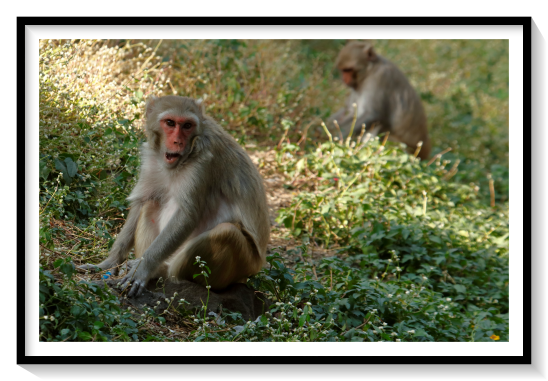
Rufus Macaque Monkey
Price range: $275.0 through $375.0 Select options This product has multiple variants. The options may be chosen on the product page -
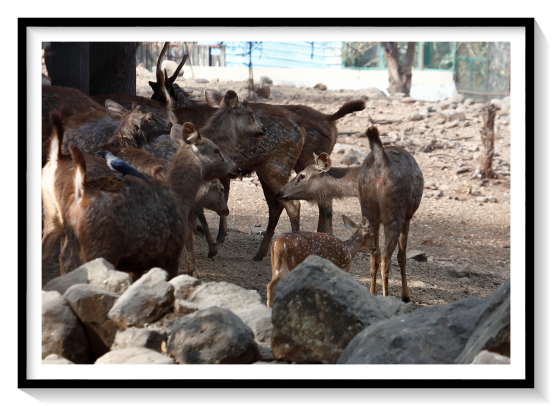
![Sambar Or Javan DeerGenetic analysis shows that the closest living relative of the sambar is most likely the Javan rusa of Indonesia.[2] This is supported by reports that sambar can still interbreed to produce fertile hybrids with this speciesThe nominate subspecies of the sambar in India and Sri Lanka are the largest of the genus, with the largest antlers both in size and in body proportions. The South China sambar of Southern China and mainland Southeast Asia is probably second in terms of size, with slightly smaller antlers than the Indian sambar. The Sumatran sambar that inhabits the Malay Peninsula and Sumatra and the Bornean sambar seem to have the smallest antlers in proportion to their body size. The Formosan sambar is the smallest subspecies, with antler-body proportions more similar to the South China sambar.](data:image/svg+xml;base64,PHN2ZyB4bWxucz0iaHR0cDovL3d3dy53My5vcmcvMjAwMC9zdmciIHdpZHRoPSI1NTAiIGhlaWdodD0iMzkxIiB2aWV3Qm94PSIwIDAgNTUwIDM5MSI+PHJlY3Qgd2lkdGg9IjEwMCUiIGhlaWdodD0iMTAwJSIgc3R5bGU9ImZpbGw6I2NmZDRkYjtmaWxsLW9wYWNpdHk6IDAuMTsiLz48L3N2Zz4=)
Samar Or Javan Deer
Price range: $100.0 through $349.0 Select options This product has multiple variants. The options may be chosen on the product page -

Sambar Deer
Price range: $300.0 through $375.0 Select options This product has multiple variants. The options may be chosen on the product page -

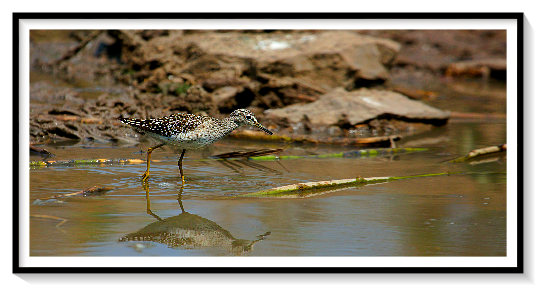
SAND PIPER
Price range: $10.0 through $40.0 Select options This product has multiple variants. The options may be chosen on the product page -

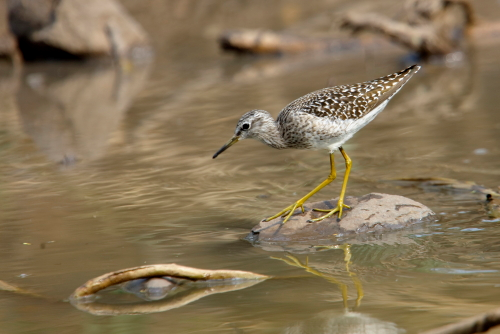
SANDPIPER
Price range: $5.0 through $40.0 Select options This product has multiple variants. The options may be chosen on the product page -

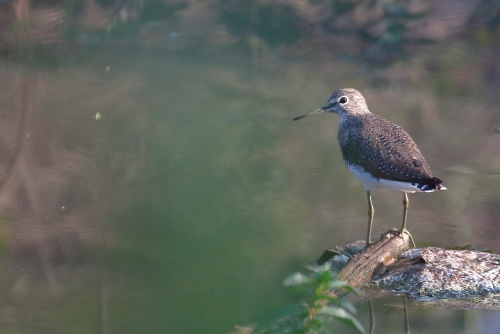
SANDPIPER
Price range: $5.0 through $40.0 Select options This product has multiple variants. The options may be chosen on the product page -

SANDPIPER
Price range: $5.0 through $45.0 Select options This product has multiple variants. The options may be chosen on the product page -

SANDPIPER
Price range: $5.0 through $40.0 Select options This product has multiple variants. The options may be chosen on the product page -

SandPiper Bird
Price range: $200.0 through $275.0 Select options This product has multiple variants. The options may be chosen on the product page -
Sandpiper Bird
Price range: $175.0 through $275.0 Select options This product has multiple variants. The options may be chosen on the product page -
SandPiper Bird
Price range: $275.0 through $375.0 Select options This product has multiple variants. The options may be chosen on the product page -
SandPiper Bird
Price range: $325.0 through $399.0 Select options This product has multiple variants. The options may be chosen on the product page -
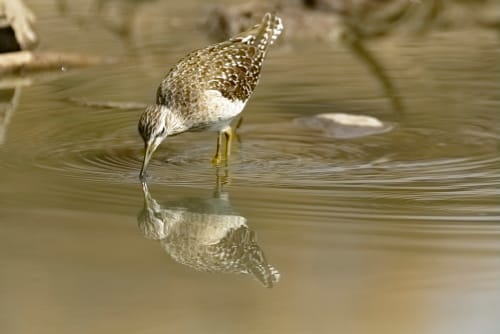
SandPiper Bird Thirsty
Price range: $225.0 through $375.0 Select options This product has multiple variants. The options may be chosen on the product page -
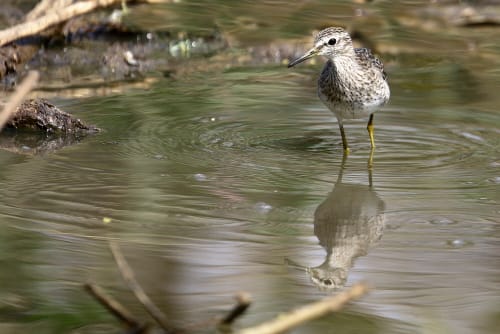
Sandpipper Bird
Price range: $225.0 through $375.0 Select options This product has multiple variants. The options may be chosen on the product page -
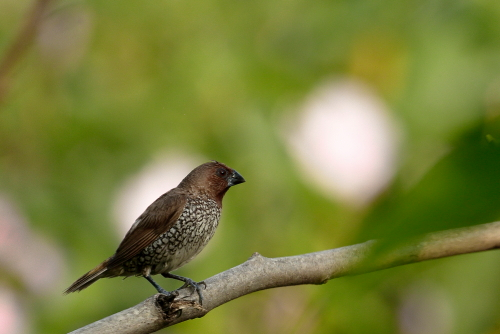
Scaley Breasted Munia Bird
Price range: $325.0 through $399.0 Select options This product has multiple variants. The options may be chosen on the product page
![Flock Of Rosy Starling BirdsThe rosy starling (Pastor roseus) is a passerine bird in the starling family, Sturnidae, also known as the rose-coloured starling or rose-coloured pastor.[2] The species was recently placed in its own monotypic genus, Pastor, and split from Sturnus. This split is supported by recent studies, though other related species within its new genus are not yet known for certainThe rosy starling was formally described in 1758 by the Swedish naturalist Carl Linnaeus in the tenth edition of his Systema Naturae. He placed it with the thrushes in the genus Turdus and coined the binomial name Turdus roseus. Linnaeus gave the type locality as Lapland and Switzerland.It is now the only species placed in the genus Pastor that was introduced by the Dutch zoologist Coenraad Jacob Temminck in 1815.[6][7] The species is monotypic: no subspecies are recognised](https://www.sunsignnaturewildlife.com/wp-content/uploads/2025/01/Flock-Of-Rosy-Starling-Birds.webp)
![Sambar Or Javan DeerGenetic analysis shows that the closest living relative of the sambar is most likely the Javan rusa of Indonesia.[2] This is supported by reports that sambar can still interbreed to produce fertile hybrids with this speciesThe nominate subspecies of the sambar in India and Sri Lanka are the largest of the genus, with the largest antlers both in size and in body proportions. The South China sambar of Southern China and mainland Southeast Asia is probably second in terms of size, with slightly smaller antlers than the Indian sambar. The Sumatran sambar that inhabits the Malay Peninsula and Sumatra and the Bornean sambar seem to have the smallest antlers in proportion to their body size. The Formosan sambar is the smallest subspecies, with antler-body proportions more similar to the South China sambar.](https://www.sunsignnaturewildlife.com/wp-content/uploads/2025/01/Sambar-Or-Javan-Deer.webp)